

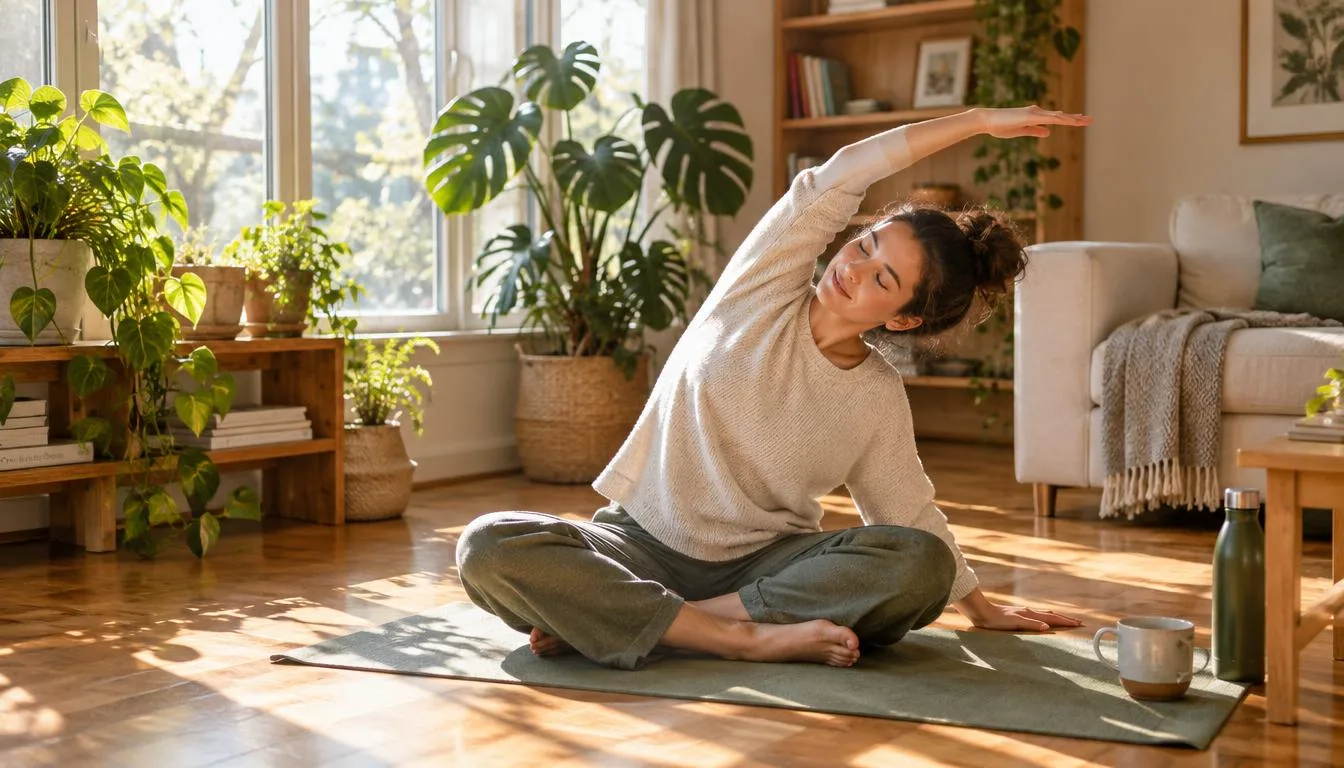
Wellness is an active, ongoing process of making choices and exploring habits that support personal wellbeing and a fulfilling life. Rather than a rigid checklist or an expensive standard to meet, it centres on discovering practical ways to feel grounded, capable and comfortable in your body and mind.
Social expectations and commercial marketing often present wellness as a strict routine demanding total dedication. Real living depends on your unique circumstances, resources and interests, which means finding your feel good starts with what matters to you.
What is wellness?
Wellness describes an active pursuit of activities, choices and lifestyles that contribute to holistic health. The Global Wellness Institute attributes this definition to a dynamic, self-directed journey rather than a static goal or a medical diagnosis.
This perspective means you do not need to feel happy, energetic or entirely free from discomfort every day to practise wellness. Difficult feelings, unexpected disruptions and periods of illness are normal parts of human existence rather than personal shortcomings. Meaningful wellness ideas focus on small, supportive actions that respect your energy levels as they fluctuate.
Wellness is a living process rather than a finish line. Exploring what supports you today leaves room to change course tomorrow.
Wellness, wellbeing and health: what is the difference?
People frequently use wellness, wellbeing and health interchangeably, yet each term carries distinct nuances in professional and personal contexts. Understanding where they overlap helps remove unnecessary pressure to control every physical outcome through daily habits.
Health encompasses your overall physical, mental and social condition, which is shaped by genetics, healthcare access and environment alongside lifestyle choices. Wellbeing reflects your subjective sense of life satisfaction, comfort and connection. Wellness represents the ongoing, intentional actions you take to support that sense of balance within the reality of your daily circumstances.
| Term | How it is commonly used | What not to assume |
| Health | State of physical and mental condition | That health is entirely within personal control |
| Wellbeing | General sense of satisfaction and ease | That one never feels low or troubled |
| Wellness | Active choices supporting daily vitality | That it requires commercial products or perfection |
What can wellness look like in everyday life?
Everyday wellness appears in ordinary moments rather than demanding dramatic overhauls. Practical choices fit into diverse routines and adapt as work, family responsibilities and energy shift.
Different elements of living support personal wellbeing in complementary ways. Exploring varied areas allows you to find manageable adjustments that bring genuine enjoyment.
Movement that suits you
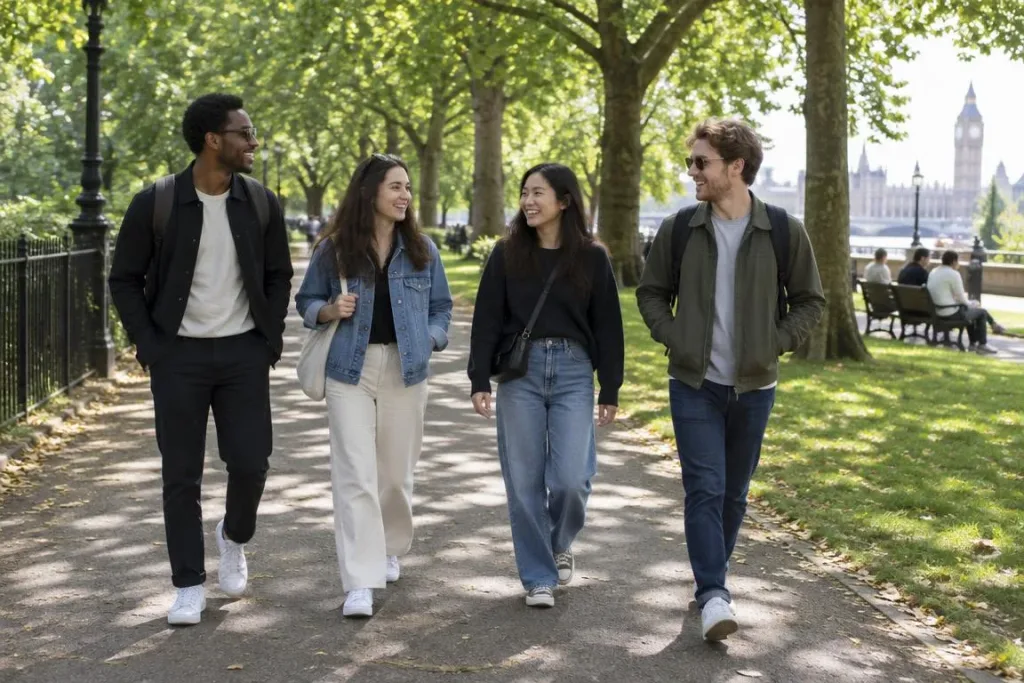
Physical activity supports physical health and mental clarity when it matches your ability and preferences. A brisk walk through the local park, a dance session in your kitchen or an inclusive community movement class can feel uplifting without requiring exhaustion.
No single workout format suits every body. Choosing gentle, enjoyable movement helps make physical activity a regular pleasure rather than a punishing obligation.
Time to rest and pause
Rest is a biological necessity that allows your body and nervous system to recuperate. Carving out brief moments of quiet, stepping away from screens or going to bed earlier provides practical recovery during demanding weeks.
A quiet pause cannot instantly erase deep fatigue or systemic workplace burnout. Even so, protecting small pockets of stillness gives your mind space to decompress.
Connection with other people
Meaningful social connection provides a sense of belonging that supports emotional resilience. Sharing a laugh with a friend, speaking to a neighbour or joining a group with mutual interests can lift your spirits.
Social needs vary widely between individuals. Choosing smaller, low-pressure conversations often feels far more comforting than navigating large crowds or busy gatherings.
Curiosity and creativity
Creative activities engage the imagination and bring spontaneous satisfaction to ordinary days. Listening to an inspiring podcast, preparing an unfamiliar recipe or sketching without worrying about the final result offers fresh perspective.
These pursuits do not require measurable output or professional standards. The value lies entirely in the curiosity and playfulness experienced along the way.
Everyday routines that work for your circumstances
Sustainable habits adapt around caregiving duties, work shifts and household chores. Preparing a balanced lunch, opening windows for fresh air or sipping a glass of water creates rhythm without friction.
Recognising financial, housing and physical constraints keeps expectations grounded. Wellness should simplify your day rather than introduce a demanding new schedule.
- Opt for movement that brings comfort and energy instead of pain.
- Protect quiet moments throughout the day to recharge your attention.
- Cultivate connections with people who make you feel understood.
- Nurture curiosity through creative projects undertaken purely for fun.
Wellness does not have to mean buying more
Modern commercial culture often implies that feeling good requires specialist equipment, bespoke subscriptions or premium powders. In reality, supportive wellness activities often require no financial investment at all.
Engaging with accessible resources in your community provides deep nourishment. Visiting a public library, strolling through green spaces, listening to a favourite playlist or calling a close confidant builds emotional strength without straining your budget.
Paid retreats and studio classes can be enjoyable treats, but they are not prerequisites for living well.

How to explore wellness without making it another task
Treating self-care as a demanding chore produces unnecessary anxiety and defeatism. Approaching personal wellbeing with gentle curiosity keeps the experience positive and rewarding.
Building sustainable habits works best when you test small changes without judging the outcome. You remain entirely free to adjust your approach as your needs evolve.
- Reflect on the simple moments that bring you genuine comfort or ease.
- Select one minor adjustment that easily fits your current living situation.
- Notice how your mind and body respond over several days without scoring progress.
- Keep adjustments that feel helpful and discard those that create tension.
Common wellness myths worth questioning
Unrealistic assumptions frequently circulate online and distort healthy perspectives. Identifying these misconceptions protects your mental peace and encourages authentic self-compassion.
Examining common myths reveals that living well is flexible, diverse and deeply personal. Dismissing rigid expectations creates space to enjoy life on your own terms.
Appearance and Intensity
Wellness does not belong to a single body shape, age or fitness level. Sweating through extreme workouts is not required to nurture vitality and health.
Cost and Emotion
Expensive accessories are never necessary for daily wellbeing. True health includes experiencing grief, worry and sadness without feeling like a failure.
Where do wellness events fit?
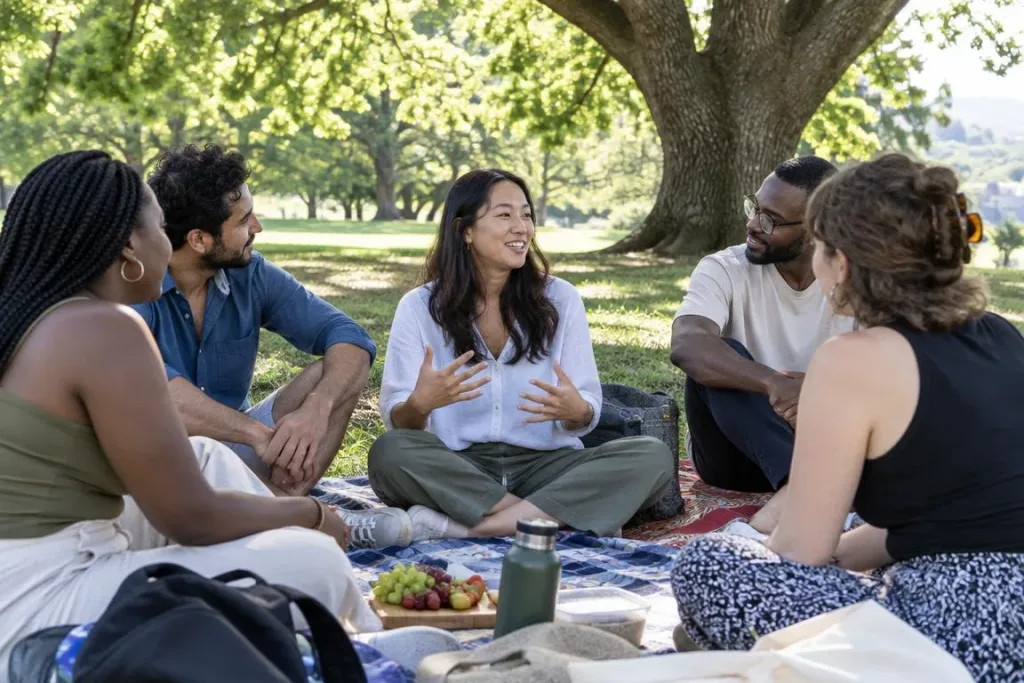
Attending a live event provides a lively atmosphere to discover unfamiliar activities, listen to inspiring talks and share time with friends. An energising gathering allows you to sample various practices in one welcoming environment.
A weekend festival provides a shared social experience rather than a clinical medical therapy or guaranteed transformation. Checking access details and taking quiet pauses between sessions helps keep the day enjoyable and comfortable.
Event sessions are optional experiences designed for exploration. Always participate at your own pace and rest whenever needed.
Explore wellness your way with WELLNERGY
WELLNERGY brings together movement, music, insightful talks, engaging workshops and community connection under one vibrant roof. This hybrid festival concept invites you to explore what feels good without rigid schedules or expectations.
Visitors can move between high-spirited fitness sessions, mindful workshops, live acoustic sounds and informative discussions led by inspiring speakers. Whether you spend the afternoon dancing with friends or relaxing quietly between classes, the atmosphere encourages choice and playful curiosity.
Wellness does not have to look the same for everyone. Start with what matters to you and explore ways to feel good that fit your life.
Questions to ask before trying an activity or event
Selecting an activity that aligns with your physical comfort and personal interests makes exploration safer and far more rewarding. Taking a few moments to review practical arrangements helps avoid unnecessary stress on the day.
Honest self-assessment ensures you feel confident in any chosen environment. Always consult qualified healthcare professionals regarding chronic conditions or specific medical concerns before undertaking demanding physical routines.
- Does this activity spark genuine curiosity or interest?
- Is the physical format appropriate for my current mobility and stamina?
- What are the full financial costs, equipment needs and ticket inclusions?
- Are comprehensive accessibility and travel details clearly available?
- Can I adjust my level of participation or take a break whenever I wish?
Frequently asked questions
What does wellness mean?
Wellness means actively exploring habits, behaviours and choices that support your physical, mental and emotional wellbeing. It is an ongoing personal process rather than a static goal or an expensive commercial routine.
Is wellness the same as wellbeing?
Wellbeing generally describes your overall state of happiness, comfort and life satisfaction. Wellness refers to the active, self-directed practices and lifestyle choices you explore to help support that overall condition.
Does wellness have to involve fitness?
Wellness does not require intense gym workouts or structured athletic training. Gentle walking, creative hobbies, adequate sleep and restorative quiet moments support your health just as meaningfully.
Can I explore wellness without spending money?
Many deeply nourishing wellness practices are completely free, such as walking in nature, calling a friend or enjoying music. Expensive products, supplements and luxury boutique memberships are entirely optional.
What happens at a wellness festival?
A wellness festival typically blends diverse movement classes, educational talks, creative workshops and live music into a celebratory gathering. Attendees choose which sessions to join, explore new ideas and connect with others in an open atmosphere.
Do I need previous experience to attend WELLNERGY?
Previous experience is not necessary to enjoy the broad WELLNERGY festival atmosphere and community spirit. Specific movement sessions may vary in their physical demands, so checking individual schedule details helps you choose options suited to your comfort.
Find your feel good, your way
Living well does not depend on strict schedules, perfect discipline or complicated lifestyle shifts. Giving yourself permission to explore movement, rest and community at your own pace opens up everyday opportunities to thrive.
Curious about exploring movement, music and new ideas in one place?
Discover our festival programme schedule and explore ticket options to choose the experiences that feel right for you at Wellnergy.